

Exploring the Rich Heritage of Talavera Pottery

Talavera pottery is a stunning example of craftsmanship that has captivated art lovers and collectors for centuries. This traditional ceramic art form is known for its vibrant colors, intricate patterns, and unique glazing techniques. Its rich heritage reflects a blend of cultural influences and centuries of artistic evolution. In this article, we will explore the origin of Talavera pottery, its historical significance, the techniques used, and how it continues to thrive today.
The Origin of Talavera Pottery
The origin of Talavera pottery dates back to the 16th century when Spanish artisans introduced their ceramic techniques to Mexico. The name "Talavera" comes from the Spanish city of Talavera de la Reina, where a similar style of pottery was produced. When Spanish colonizers arrived in Mexico, they brought with them their knowledge of ceramics, which merged with indigenous Mexican traditions to create a unique art form.
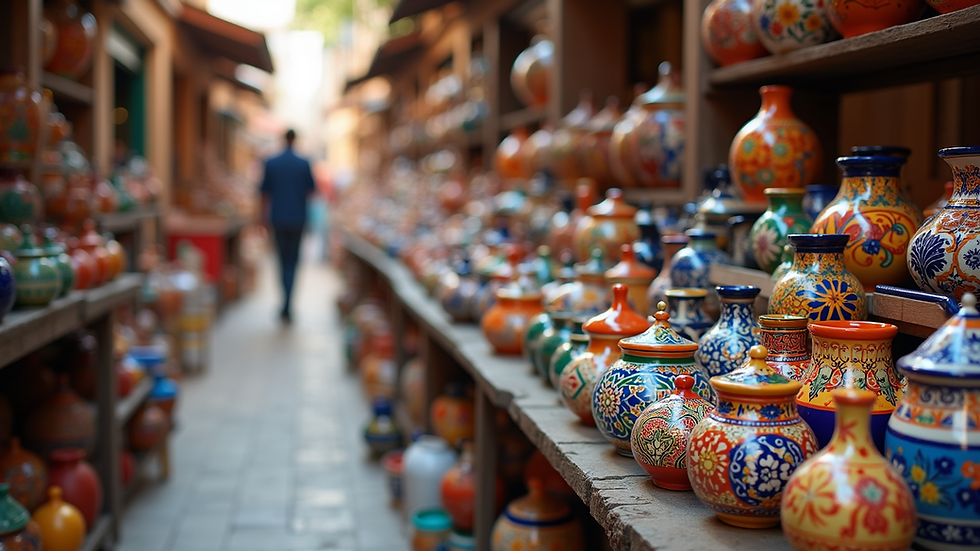
Talavera pottery is primarily associated with the city of Puebla, Mexico, where the ideal clay and water conditions allowed artisans to perfect their craft. The fusion of Spanish, Italian, and indigenous Mexican influences resulted in the distinctive blue and white designs that are now iconic. Over time, the palette expanded to include vibrant yellows, greens, and oranges, making Talavera pottery instantly recognizable.

Historical Significance and Cultural Impact
Talavera pottery is more than just decorative art; it is a symbol of cultural identity and history. The pottery was initially used for practical purposes such as plates, tiles, and jars. However, its artistic value soon elevated it to a status of cultural heritage. The intricate designs often depict religious symbols, local flora, and fauna, reflecting the beliefs and environment of the region.
The production of Talavera pottery was heavily influenced by the colonial period, where artisans were trained in workshops under strict quality controls. This ensured that each piece met high standards of craftsmanship. The pottery became a sought-after commodity, not only in Mexico but also in Europe and other parts of the world.
Today, Talavera pottery is protected by a Denomination of Origin, which means only pottery made in specific regions of Mexico using traditional methods can be called Talavera. This protection helps preserve the authenticity and quality of the craft.
Crafting Talavera Pottery: Techniques and Materials
Creating Talavera pottery is a meticulous process that requires skill, patience, and attention to detail. The process begins with selecting the right clay, which is a mixture of white clay and sand. This mixture is shaped on a potter’s wheel or molded by hand into various forms such as plates, tiles, and vases.
Once shaped, the pottery is dried and then fired in a kiln at high temperatures. After the first firing, the pieces are coated with a white tin glaze, which provides the perfect canvas for painting. Artisans then hand-paint intricate designs using mineral-based pigments. The most common colors include cobalt blue, yellow, green, and black.
The final step is a second firing, which fuses the glaze and paint, creating a glossy and durable finish. This process can take several days, and each piece is unique due to the hand-painted nature of the designs.
Tips for Collecting Authentic Talavera Pottery
Look for the Denomination of Origin seal: This guarantees the piece is made in the designated regions of Mexico.
Check for hand-painted details: Authentic Talavera pottery is hand-painted, so slight imperfections are a sign of genuine craftsmanship.
Buy from reputable sources: Purchasing from established galleries or artisans ensures authenticity.
Understand the color palette: Traditional Talavera pottery uses specific colors derived from natural minerals.

Talavera Pottery in Modern Decor and Art
Talavera pottery has transcended its traditional roots to become a popular element in modern interior design and art. Its vibrant colors and patterns add a touch of elegance and cultural richness to homes, restaurants, and public spaces. From decorative tiles in kitchens and bathrooms to colorful vases and dinnerware, Talavera pottery brings a unique aesthetic that blends history with contemporary style.
Many designers incorporate Talavera tiles as backsplashes or accent walls, creating focal points that celebrate Mexican heritage. Additionally, Talavera-inspired patterns are now seen in textiles, wallpapers, and even fashion, demonstrating the pottery’s broad influence.
For those interested in adding Talavera pottery to their collection or decor, it is important to consider the authenticity and craftsmanship to ensure the pieces retain their cultural and artistic value.
Preserving the Legacy of Talavera Pottery
The preservation of Talavera pottery is essential to maintaining its cultural significance and artistic integrity. Various organizations and artisans work tirelessly to keep the tradition alive by teaching new generations the techniques and history behind this craft.
Workshops and cultural festivals dedicated to Talavera pottery provide opportunities for enthusiasts to learn about the process and appreciate the skill involved. Supporting these initiatives helps sustain the craft and promotes cultural exchange.
For those curious about the detailed talavera pottery history, exploring reputable sources and visiting museums or artisan workshops can deepen understanding and appreciation.
Embracing Talavera Pottery Today
Talavera pottery remains a vibrant and cherished art form that connects the past with the present. Whether you are a collector, decorator, or simply an admirer of fine craftsmanship, exploring Talavera pottery offers a window into a rich cultural heritage.
By choosing authentic pieces and supporting artisans, you contribute to the preservation of this beautiful tradition. Talavera pottery is not just an art form; it is a living legacy that continues to inspire and beautify the world.
Explore the world of Talavera pottery and discover how this centuries-old craft can add color, history, and elegance to your life.


Comments